
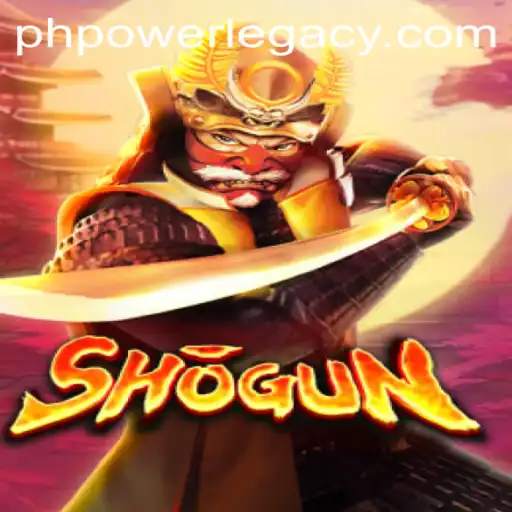

Explore Shogun, a captivating strategy game that blends historical intrigue with immersive gameplay, focusing on the central theme of power legacy.
Discover the Intriguing World of Shogun: Mastering Power Legacy
In the vast realm of strategy games, few titles capture the sheer essence of historical intrigue and tactical mastery like Shogun. This captivating game invites players to immerse themselves in the tumultuous period of feudal Japan, where the concept of Power Legacy plays a central role. By exploring themes of conquest, diplomacy, and legacy building, Shogun offers a profound experience for strategy enthusiasts.
The Setting of Shogun: A Historical Overview
Set against the backdrop of Japan's Sengoku period, Shogun plunges players into an era defined by warring states, dynamic leadership, and relentless quests for supremacy. During this time, the nation was fractured into numerous territories controlled by ambitious daimyo. The ultimate objective for players is to rise to the coveted position of Shogun, effectively unifying the land under one rule. The game's historical setting adds a layer of authenticity and depth, challenging players to think critically about leadership and influence.
Introduction to Shogun: A Game of Strategy and Skill
From the very beginning, Shogun sets itself apart with its unique blend of board and real-time strategy elements. The game's design harmoniously combines a strategic map overlay with intense tactical battles, allowing players to deploy their armies and manage resources effectively. The player's journey is defined by a constant juggling act between military conquest, economic stability, and fostering diplomatic relationships.
Starting The Game: Building Your Legacy
The initial stages of Shogun revolve around establishing a strong foundational territory. Players must choose wisely where to allocate resources, which alliances to form, and which territories to target for expansion. Crafting a balance between aggression and strategy is key, as rash decisions can lead to overextensions and vulnerability to opposing daimyo. A successful player in Shogun is one who continuously adapts their strategy to the ever-changing political landscape.
Rules of Engagement in Shogun
At its core, Shogun is a game of rules that encourage strategic thinking and foresight. The following sections break down the essential rules that govern player actions within the game:
Turn-Based Strategy
Shogun plays out in a series of turns, where each turn represents a strategic phase during which players can allocate resources, plan their next moves, and execute specific actions. During this phase, players must be mindful of their resources and the movements of enemy forces. Cunning and calculation are vital as each move could shift the tide of power.
Resource Management
Efficient resource management is crucial in Shogun. Players must constantly evaluate their provinces to ensure a flow of wealth and warriors. Rice, gold, and manpower are the primary resources that determine a player's ability to mobilize and sustain an army. Decisions concerning when to invest in economic upgrades or military expansions have significant ramifications.
The Art of Diplomacy
Alliances and betrayals shape the fabric of Shogun's political landscape. Players are encouraged to forge alliances with neighboring daimyo to bolster their influence and military reach. However, every alliance carries the risk of betrayal, requiring players to weigh the loyalty of their allies while pursuing their grand ambitions. Strategic diplomacy can enable players to form powerful coalitions or destabilize rival factions.
Combat Mechanics
Shogun's combat is an intricate blend of tactical prowess and strategic positioning. Players command armies comprised of varied units, each with strengths and weaknesses that must be leveraged on ever-changing battlefields. Skillful deployment and terrain advantages can turn the tide in confrontations, where the spoils of war significantly impact the balance of power.
Current Events and Power Dynamics
Amidst ongoing global events that mirror historical struggles for dominance, Shogun stands as a timely metaphor for understanding power dynamics. As nations worldwide grapple with issues of leadership, influence, and resource allocation, the gameplay mechanics of Shogun resonate with contemporary geopolitics. Themes of power consolidation, alliances, and cultural shifts find echoes in real-world scenarios, adding layers of relevance to the game's narrative.
Through its intricate design and immersive storytelling, Shogun provides players with an opportunity to reflect on the nature of power and legacy. The game's depiction of feudal power struggles illuminates how the legacy of one's decisions reverberates through time. This theme resonates powerfully in today’s world, where leaders and players alike must consider the lasting impact of their choices.
Conclusion: Master the Art of Power Legacy
As players delve deeper into the complex strategies that define Shogun, they must remain ever-aware of their ultimate goal: to craft a Power Legacy that endures the test of time. With every decision holding the potential for far-reaching consequences, Shogun challenges players to engage with history's lessons and become astute architects of destiny. Whether through shrewd diplomacy, efficient resource management, or commanding triumphs on the battlefield, Shogun leaves an indelible mark on those who dare to master its strategic depths.